
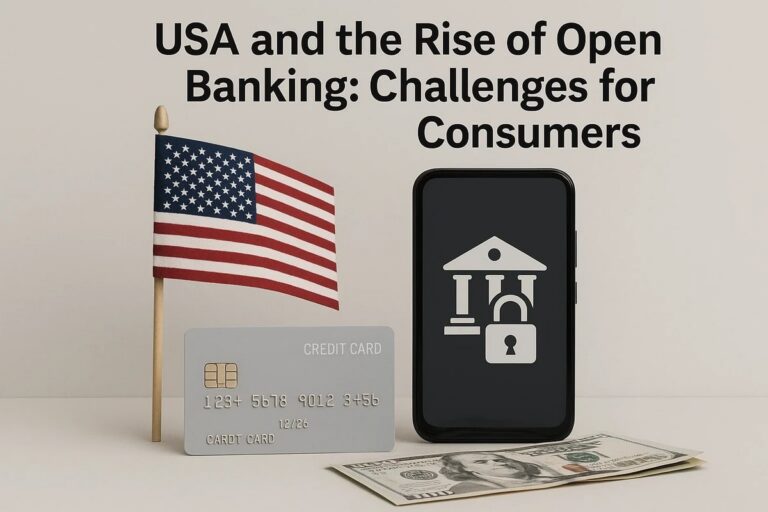
Open banking is rapidly reshaping the financial landscape in the United States, inviting consumers to interact with their data in ways that would have seemed impossible a decade ago. By allowing third-party providers to securely access financial information with user permission, it promises convenience, personalization, and innovation on an unprecedented scale.
Yet, as excitement grows around these new tools and platforms, so do concerns. Many Americans are beginning to realize that the shift toward open, interconnected systems brings not only opportunities but also complexities that must be understood to fully benefit from them.
The transformation driven by data sharing
At the heart of this movement is the idea that individuals should have greater control over their financial data. Instead of being locked inside traditional banking systems, this information can be shared seamlessly with budgeting apps, lending platforms, investment tools, and other digital services. This open environment fosters a more competitive marketplace, pushing institutions to improve customer experiences and create smarter solutions.
However, this transition requires trust in both the technology and the companies managing these interactions. Consumers must carefully evaluate which services deserve access to their financial details, especially as more businesses integrate open banking frameworks into their offerings.
Building confidence amid evolving risks
As appealing as streamlined digital experiences may be, concerns about privacy, fraud, and data misuse continue to shape public perception. Many users remain uncertain about how their information is protected once it leaves their bank’s ecosystem. Financial institutions and fintech companies are working to strengthen security protocols, implement advanced encryption, and adopt clear consent practices, but misunderstandings often persist.
Education plays a critical role in addressing these fears. When consumers understand how data is managed and what safeguards exist, they are more likely to embrace these emerging technologies with confidence. Still, maintaining transparency is essential, especially as cyber threats evolve and regulatory frameworks attempt to keep pace.
A future shaped by innovation and responsibility
Looking ahead, the widespread adoption of open banking in the United States will depend on cooperation between regulators, financial institutions, and technology providers. Clear standards must be established to ensure consistency and protect users regardless of which platforms they choose. Consumers, too, carry a responsibility: staying informed, recognizing trustworthy providers, and understanding the implications of sharing sensitive data.
The nation stands at a crucial turning point where digital transformation can empower millions—if implemented thoughtfully. With balanced oversight, continued innovation, and responsible adoption, the next chapter of American financial life could be more flexible, transparent, and inclusive than ever before.
👉 Interested in the topic? You may also be interested in: Taxes in the USA: Adjustments That Change Financial Planning.