
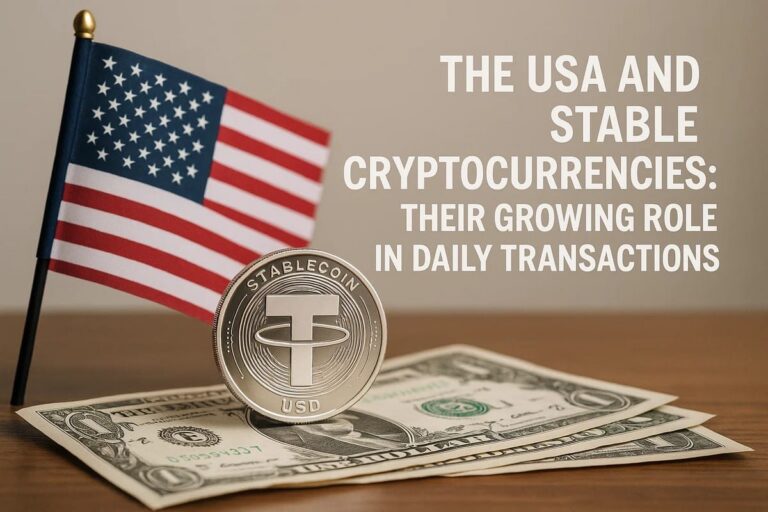
Stable cryptocurrencies have rapidly entered mainstream discussions in the United States, not just as speculative assets but as practical tools for everyday payments. Their design—pegged to the value of traditional currencies like the U.S. dollar—offers a level of predictability that many digital assets lack. As more Americans explore mobile wallets, fintech apps, and cross-border transfers, they are beginning to see these digital tokens as more than a niche innovation.
With growing interest from businesses, regulators, and consumers seeking faster, cheaper, and more transparent transactions, stablecoins are becoming woven into daily financial routines. The shift raises important questions about privacy, control, and how financial information will be exchanged in a digitized economy.
The appeal of stability in a digital dollar alternative
One reason these assets are gaining momentum is the reassurance they provide. Traditional cryptocurrencies fluctuate dramatically, making them unreliable for routine purchases or long-term planning. Stablecoins, by contrast, mirror the value of existing fiat money, allowing users to transfer funds without fear of sudden depreciation.
This balance between digital convenience and monetary reliability has attracted tech-savvy consumers, online merchants, and even some institutional players. For individuals sending money across borders or purchasing online services, the speed and cost advantages compared to legacy payment systems are hard to ignore.
Expanding merchant adoption and technological infrastructure
As payment technologies advance, stablecoins are being integrated into a wider range of platforms. Some retailers and service providers already accept them directly, while others use backend systems that convert them instantly into dollars, making the experience seamless for both buyers and sellers.
Fintech firms are also experimenting with stablecoin-powered debit cards, automated payroll distribution, and subscription billing. These developments signal a broader shift in how value circulates within the U.S. economy. Yet, this expansion requires robust cybersecurity measures, transparent auditing standards, and responsible oversight to ensure consumers can trust the services they rely on.
Regulatory evolution and the path ahead
The growing relevance of these assets has prompted U.S. lawmakers and financial agencies to examine how they should be supervised. While innovation continues to flourish, questions about consumer protection, reserves backing the tokens, and systemic risk remain priorities for policymakers. Well-designed regulation could encourage responsible adoption while reducing uncertainty for businesses and individuals.
Ultimately, the future of stablecoins in American daily life will depend on striking a balance between innovation and safety. If these digital instruments continue evolving thoughtfully, they may soon become as familiar and dependable as the traditional money they are designed to complement.
👉 You may also be interested in: Financial Education in the USA: How New Methods Influence Choices.