
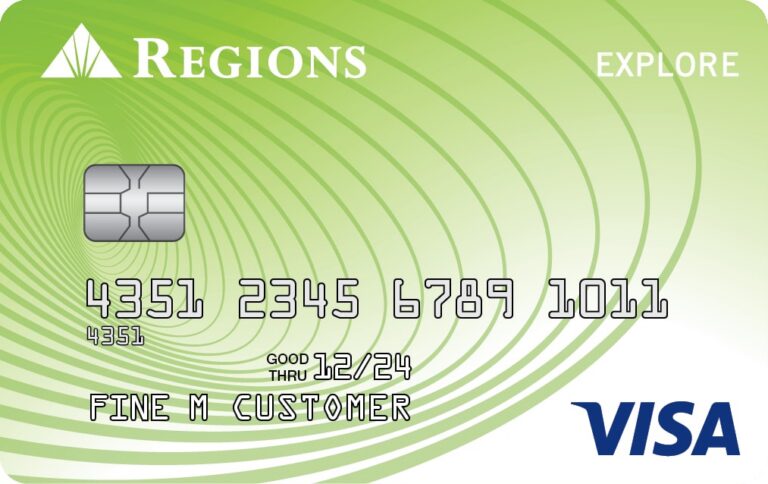
The Explore Visa Credit Card from Regions Bank serves as an invaluable tool for building a positive credit history and managing finances responsibly. It requires a minimum opening deposit of $250 in an Explore Card Savings Account, ensuring a secure foundation while supporting individuals in achieving their financial objectives.
This card is designed not only to provide financial security but also to foster responsible financial habits through accessible credit options. It stands as a practical choice for those seeking to establish or improve their credit profile while gaining essential financial management skills.
Key Information about the Explore Visa Credit Card
The Explore Visa Credit Card from Regions Bank is a secured card that requires a minimum deposit of $250 in an Explore Card Savings Account to secure your credit obligations. This deposit also earns interest, providing a dual benefit of security and potential earnings.
Responsible use of this card can significantly enhance your creditworthiness over time. Moreover, demonstrating responsible credit management may qualify you for a refund of your security deposit, further incentivizing prudent financial habits and responsible spending.
How Annual Fees Work?
The Explore Visa Credit Card from Regions Bank includes an annual fee of $29. This fee is considered manageable for cardholders, especially considering the potential benefits and security features provided by the card.
However, for individuals who prefer an unsecured credit card without an annual fee, Regions Bank may offer alternative options based on their creditworthiness and financial history. These options allow customers to choose a card that best fits their financial needs and preferences, providing flexibility and tailored solutions to help manage their finances effectively.
How is the Credit Limit Determined?
For conventional and secured credit cards offered by Regions Bank, the credit limit is determined based on several factors including the applicant’s credit history and income level. This evaluation ensures that the credit limit aligns with the individual’s financial capacity to manage credit responsibly.
In the case of secured cards like the Explore Visa Credit Card, the credit limit is typically tied to the deposit made in the Explore Card Savings Account. The deposit acts as collateral and often determines the initial credit limit provided to the cardholder. This setup offers transparency and control to the cardholder, as they know exactly how much credit they have available based on the amount deposited.
This approach is beneficial for individuals looking to build or rebuild their credit, as it provides a clear and straightforward path to managing credit responsibly while establishing a positive credit history. It also offers financial flexibility and security by leveraging deposited funds as a means to access credit.
Advantages of the Explore Visa Credit Card
- Cash Back Rewards: Earn cash back with Regions Offers℠.
- Regions LockIt®: Customize card usage with this unique feature.
- Visa Zero Liability Policy: Protection against unauthorized transactions.
These advantages not only promote financial security but also enhance the user experience through convenient and safe card management.
Standout Benefit: Cash Back Rewards
The Explore Visa Credit Card from Regions Bank stands out due to its enticing cash back rewards program, designed to reward cardholders for their everyday spending. This feature provides a valuable incentive for using the card regularly, allowing users to earn rewards on eligible purchases while enjoying the convenience and security of a Visa card.
Disadvantages
- Annual Fee: While modest, the $29 annual fee may be a consideration for some users.
- Secured Deposit Requirement: Requiring a deposit for secured card status may pose a barrier to entry for some potential applicants.
Standout Disadvantage: Secured Deposit Requirement
One of the primary drawbacks of the Explore Visa Credit Card is the requirement for a security deposit, which may not be feasible for all applicants seeking to establish or rebuild their credit. This deposit, typically starting at $250, acts as collateral to secure the card’s credit limit, making it inaccessible for those who may not have funds readily available for such a purpose.
This requirement limits the card’s accessibility compared to unsecured credit cards that do not necessitate a deposit, potentially excluding individuals with limited financial resources or those in the process of rebuilding their credit history.
Eligibility for Application
To apply for the Explore Visa Credit Card from Regions Bank, applicants need to meet specific criteria, including:
- Minimum Age Requirement: Typically, applicants must be 18 years of age or older.
- Minimum Income Threshold: Regions Bank may require applicants to meet a minimum income threshold to ensure they have the financial means to manage the credit card responsibly.
- Verification of Identity and Income: Applicants must provide documentation to verify their identity and income, which helps in assessing their creditworthiness.
- Credit History Evaluation: Regions Bank evaluates the applicant’s credit history as part of the application process to determine their eligibility for the Explore Visa Credit Card.
Approval for the Explore Visa Credit Card is contingent upon these factors. The card is generally accessible to individuals looking to establish or improve their credit profile by demonstrating responsible credit management. Meeting these criteria enhances the likelihood of approval and allows applicants to benefit from the card’s features while building a positive credit history.
How to Apply for the Explore Visa Credit Card
Applying for the Explore Visa Credit Card is straightforward and can be done through multiple channels:
Through the Regions Bank Website
- Visit the Regions Bank Official Website: Open your web browser and go to the official website of Regions Bank.
- Navigate to the Credit Cards Section: Use the navigation menu or search function on the Regions Bank website to locate the credit cards section. This is typically found under “Personal Banking” or a similar category.
- Find the Explore Visa Credit Card: Look for information specifically about the Explore Visa Credit Card. This page will provide details about the card’s features, benefits, and terms.
- Click on ‘Apply Now’: On the Explore Visa Credit Card page, you should find an “Apply Now” button or a similar call-to-action. Click on this button to begin the application process.
- Complete the Application Form Securely: Follow the prompts provided by Regions Bank to fill out the application form online. You will need to enter personal information such as your name, address, social security number, income details, and employment information. Be sure to provide accurate information to facilitate the application process.
- Review and Submit Your Application: Review the application form carefully before submitting it. Ensure all information is accurate and complete. Once submitted, Regions Bank will review your application and notify you of their decision.
Via the Regions Mobile App
Download the Regions Mobile App from your app store, navigate to the credit cards section, and complete the application process directly from your mobile device.
In-Person at a Branch
Visit a local Regions Bank branch to speak with a representative who can assist you in applying for the Explore Visa Credit Card in person.
You will be redirected to another site.